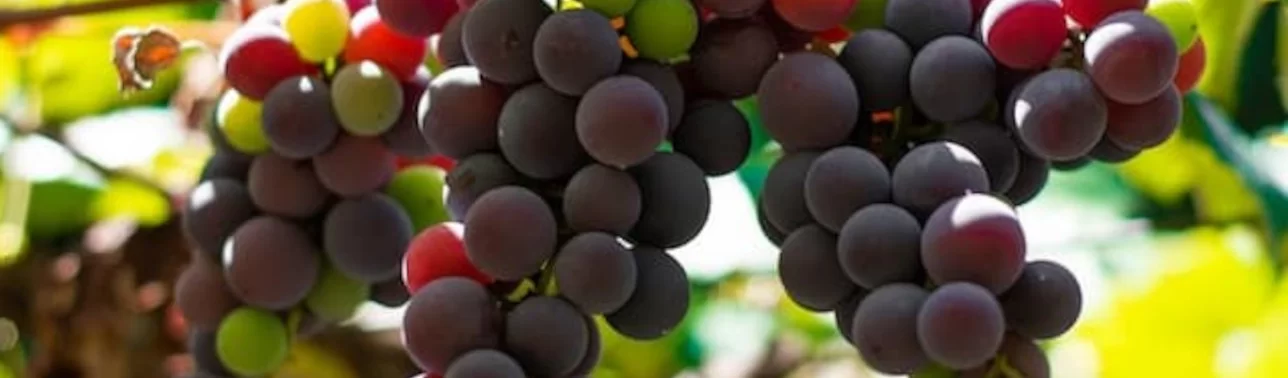

Viticulture is the science, production, and study of grapes, specifically focusing on their cultivation for winemaking purposes. It includes all aspects of grapevine cultivation, such as selecting the right variety for a specific region, soil management, vineyard management, pruning, irrigation, pest and disease control, harvesting, and post-harvest processes.

Viticulture is an ancient practice that dates back thousands of years, and it has evolved over time with advancements in technology and scientific understanding. It plays a crucial role in the wine industry, as the quality of grapes directly impacts the quality of the wine produced.
The goal of viticulture is to maximize the quality and yield of grapes while ensuring their sustainable cultivation. This involves balancing various factors such as climate, soil composition, water availability, and sunlight exposure to create the ideal growing conditions for grapevines.
Viticulturists often work closely with winemakers to ensure that the grapes are grown to meet specific flavor profiles and characteristics desired for the final wine. They may also conduct research to improve vineyard practices, develop new grape varieties, or find solutions to challenges faced by the industry, such as climate change and the spread of vine diseases.
Overall, viticulture is a multidisciplinary field that integrates knowledge of botany, agriculture, ecology, and enology (the study of wines) to produce high-quality grapes for winemaking.
