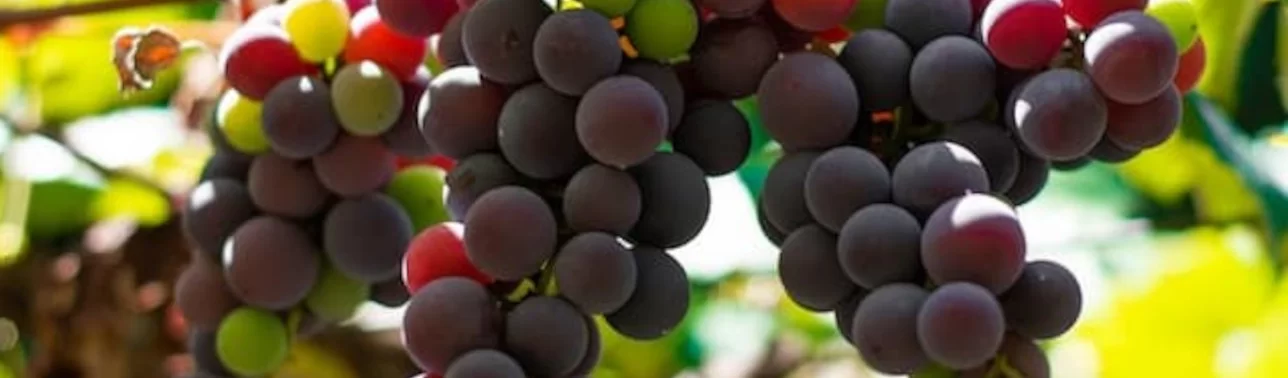

Vendange tardive is a term used in wine production, particularly in French wine regions like Alsace, to describe late-harvested grapes that have achieved a higher level of sweetness and ripeness. The term translates to « late harvest » in English.

In order for a wine to be labeled as « vendange tardive, » the grapes must be left on the vine for an extended period of time beyond the normal harvest season. This allows the grapes to naturally accumulate sugar and develop concentrated flavors. As a result, wines made from vendange tardive grapes are typically sweeter and more full-bodied than those made from regular harvest grapes.
Vendange tardive wines are often associated with dessert wines, as their sweetness pairs well with desserts or can be enjoyed on their own as a sweet after-dinner treat. They are often made from grape varieties such as Riesling, Gewürztraminer, or Pinot Gris, which have a natural sweetness and high acidity that balance the sweetness.
Overall, vendange tardive wines are considered a special and rare treat, as the late-harvest grapes require specific weather conditions and careful winemaking techniques to achieve the desired flavors and sweetness.
