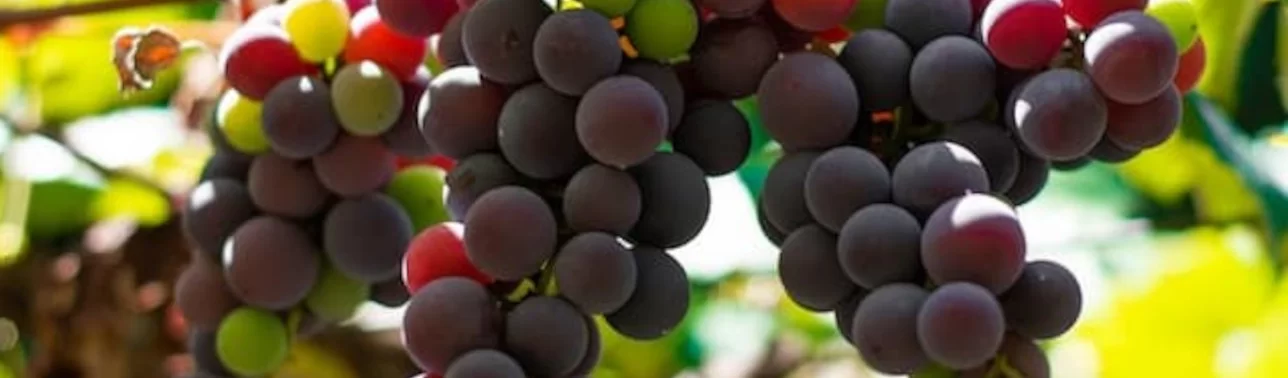

Viticulture is the science, production, and study of grapes used for winemaking. It involves growing and cultivating grapevines, as well as the processes and techniques used to produce wine. This includes the selection of grape varieties, vineyard management, harvest techniques, fermentation, aging, and bottling.

Viticulture dates back thousands of years, with the earliest evidence of winemaking found in ancient Mesopotamia (modern-day Iran and Iraq). It has since spread to various regions around the world, with each region having its own unique combination of grape varieties, growing conditions, and winemaking practices.
Today, viticulture is a complex and specialized field, with modern techniques and technologies being used to optimize grape quality and wine production. This includes the use of advanced vineyard management practices, such as trellising, pruning, and canopy management, to ensure optimal grape ripeness and minimize disease and pest pressure. Additionally, modern winemaking techniques, such as temperature-controlled fermentation and oak barrel aging, help to enhance and preserve the flavors and aromas of the finished wine.
Viticulture is not only important for the production of wine but also plays a significant role in the economic and cultural aspects of many regions. Wine tourism, for example, attracts visitors to wine-producing areas, and the wine industry provides employment and supports local economies.
Overall, viticulture is a multidisciplinary field that combines elements of agriculture, biology, chemistry, and business to produce the grapes used for winemaking. It is both an art and a science, with grape growers and winemakers continually striving to improve the quality and character of the wines they produce.
