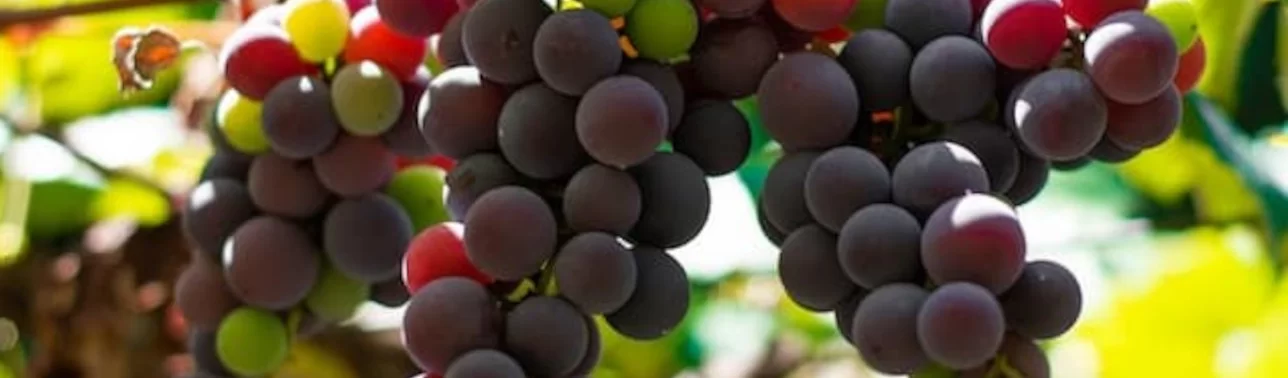

Viniculture, also known as viticulture, is the cultivation and production of grapes for winemaking. It involves various practices such as planting, pruning, harvesting, and managing the vineyards to ensure optimal grape growth and quality.

Viniculture is both a science and an art, as it requires a deep understanding of the grapevine’s biology, soil types, climate conditions, and other factors that influence grape development. Winegrowers often employ specific techniques and practices to maximize the grape’s potential, such as selecting suitable grape varieties, controlling vine diseases and pests, monitoring irrigation, and managing canopy growth.
Different regions around the world have distinct viniculture traditions and practices, leading to the production of diverse wine styles and characteristics. Factors such as soil composition, elevation, temperature, rainfall, and sunlight exposure all contribute to the unique terroir of a wine, which is the combination of environmental factors that impact the flavor, color, and aroma of the grapes.
Viniculture plays a significant role in the global wine industry, as it provides the foundation for winemaking. The success of vineyards and their ability to produce high-quality grapes directly impacts the quality and reputation of the wines they produce. Winemakers often work closely with vineyard managers and viticulturists to ensure that the grapes meet their desired specifications for making wine.
Overall, viniculture is a critical aspect of the wine production process, as it directly influences the quality and characteristics of the grapes used for winemaking. The careful cultivation and management of vineyards are essential for producing wines with distinct flavors and characters that reflect their terroir and the skill of the winemakers.
