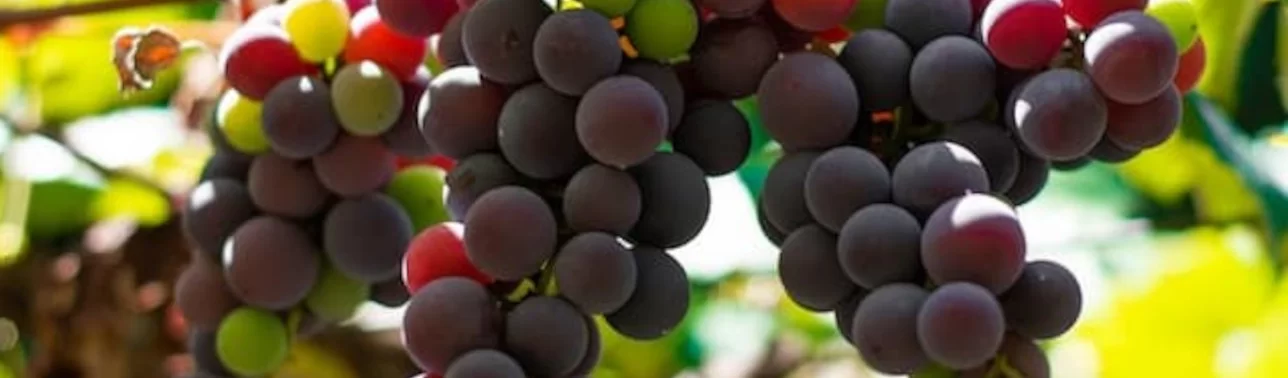
Vendange tardive is a French term that translates to « late harvest » in English. It is a winemaking technique primarily used in Alsace, France, where the grapes are left to hang on the vines longer than usual, allowing them to develop higher sugar levels and concentrate their flavors.

The late-harvest grapes are typically affected by noble rot, a beneficial kind of fungus that causes the grapes to shrivel and lose moisture. This dehydration results in higher sugar concentration and a richer taste profile in the resulting wine.
Vendange tardive wines are known for their sweet, honeyed flavors and complex aromas. They are often made from white grape varieties such as Riesling, Gewürztraminer, and Pinot Gris. These wines can range from off-dry to sweet, depending on the winemaker’s style and the specific grape variety used.
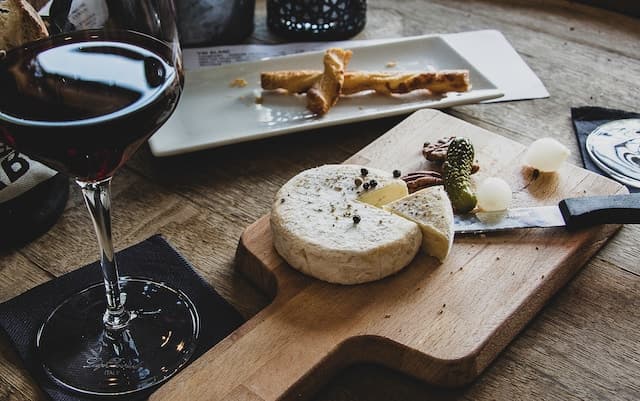
Vendange tardive wines are considered a special category in Alsace wine production and are often enjoyed as dessert wines or paired with foie gras, cheese, or rich, creamy dishes. They have a rich, golden color and can age well, developing more complexity and depth over time.
