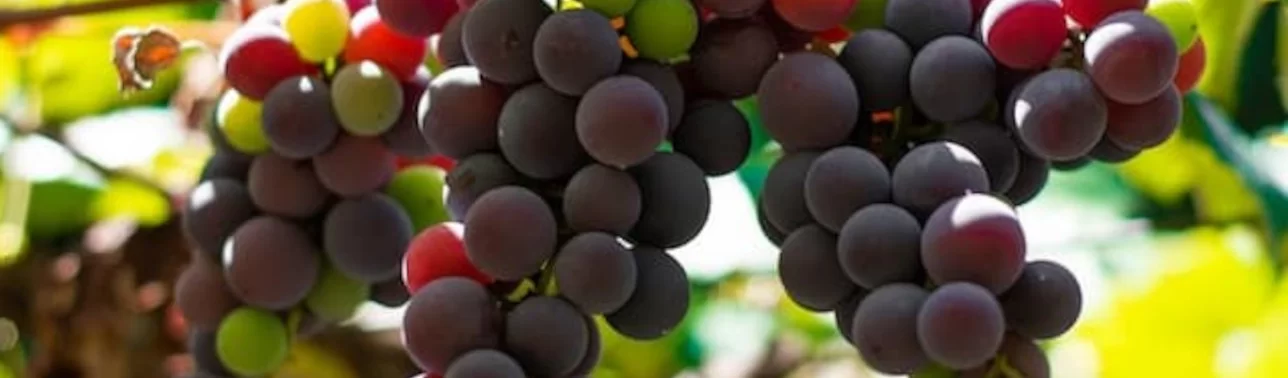

Viniculture, also known as viticulture, is the cultivation and production of grapes, particularly for making wine. It involves growing and maintaining vineyards, which are planted with grapevines of specific varieties that are suitable for winemaking. Viniculture encompasses various practices and techniques to ensure optimal grape development, vine health, and wine quality.

Some key aspects of viniculture include:
1. Grapevine cultivation: This includes selecting appropriate grape varieties for the desired style and quality of wine, as well as considering the climate, soil conditions, and other environmental factors that can affect vine growth.
2. Vineyard management: This involves the maintenance of the vineyard, including soil management, irrigation, pest and disease control, pruning, and canopy management. These practices help promote healthy vine growth and optimal grape ripening.
3. Harvesting: Grapes are typically harvested when they have reached the desired level of ripeness, which can vary depending on the wine style. Harvesting can be done manually or mechanically, and it is a critical step in determining the quality of the grapes and consequently the resulting wine.
4. Wine production: After harvesting, the grapes are processed to extract the juice, which is then fermented to produce wine. Different techniques can be used, such as maceration (leaving the grape skins in contact with the juice), fermentation in stainless steel tanks or oak barrels, and aging in barrels or tanks.
5. Quality control: Throughout the viniculture and winemaking process, quality control measures are implemented to ensure that the resulting wine meets the desired standards for taste, aroma, and overall quality. This includes monitoring fermentation, conducting regular tasting evaluations, and analyzing the wine’s chemical composition.
Viniculture is a complex and multidisciplinary field that combines knowledge of agriculture, biology, and oenology (the study of wine). It requires careful attention to detail, as well as an understanding of the specific characteristics of different grape varieties and how they respond to different environmental conditions. Additionally, viniculture practices can vary depending on the region and cultural traditions, with specific techniques and grape varieties being associated with certain wine-producing regions around the world.
