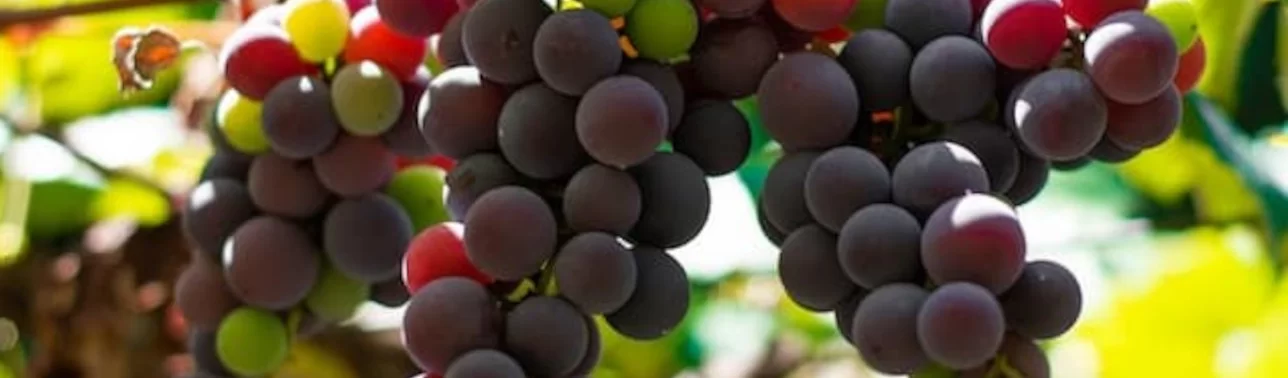

Viticulture is the science and practice of grape cultivation for winemaking. It involves various activities and techniques related to vineyard management, grapevine cultivation, harvesting, and processing of grapes for wine production.

Viticulture encompasses a broad range of practices, including choosing suitable grape varieties for specific regions and climates, planting and maintaining vineyards, managing soil and nutrient requirements, pruning and training grapevines, controlling pests and diseases, and careful monitoring of grape ripeness.
Proper vineyard management is crucial for the successful growth of grapevines and the production of high-quality grapes. This includes optimizing water and sunlight exposure, controlling weed growth, managing irrigation, and ensuring proper nutrient levels in the soil.
Harvesting grapes at the right time is vital to achieving the desired flavor and balance in the resulting wines. Grapes can be hand-picked or mechanically harvested depending on the vineyard’s size and specific requirements.
After harvesting, grapes are processed through various methods such as crushing and destemming, fermentation, pressing, and aging to turn them into wine. Different techniques and equipment are used depending on the desired style of wine, whether it be red, white, rosé, or sparkling.
Viticulture is heavily influenced by the unique characteristics of each grape variety, as well as the specific terroir of the vineyard, which includes factors such as climate, soil type, slope, and exposure to sunlight. The combination of grape variety and terroir contributes to the complexity and distinctiveness of the resulting wines.
Overall, viticulture requires a combination of scientific knowledge, agricultural practices, and expertise to cultivate grapes of high quality and produce exceptional wines. It plays a crucial role in the winemaking industry and contributes to the diversity and uniqueness of wines from different regions around the world.
