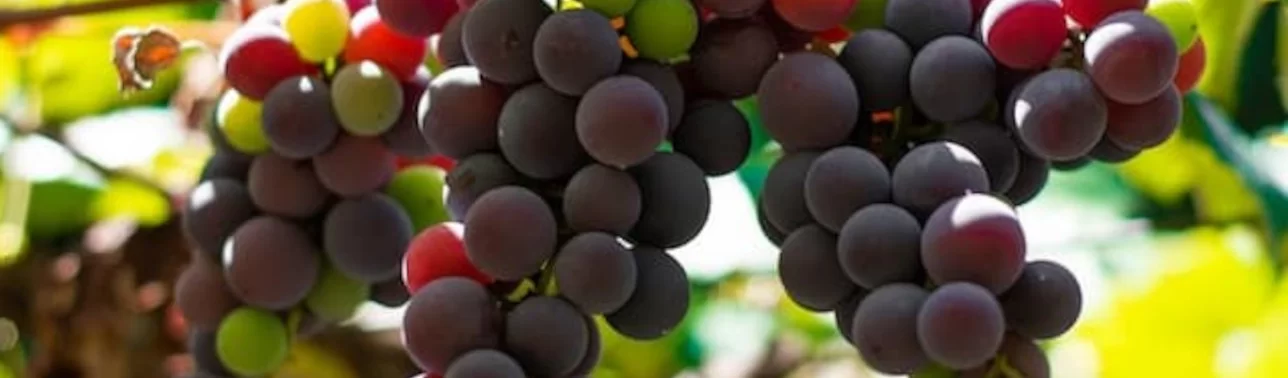

Being a vigneron comes with its own set of challenges, but one of the biggest hurdles in recent years has been the impact of climate change on grape cultivation. As temperatures rise and weather patterns become less predictable, vignerons are facing new obstacles that threaten the quality and quantity of their harvest. In this article, we will explore the challenges posed by climate change for vignerons and the strategies they are implementing to adapt to these changes.

What specific challenges do vignerons face due to climate change?
One of the main challenges vignerons face is the shift in growing seasons. Warmer temperatures are causing grapes to ripen earlier, which can lead to a loss of acidity and complexity in the wines. Additionally, extreme weather events such as droughts, floods, and hailstorms are becoming more frequent, putting vineyards at risk of damage and decreased yields.
How are vignerons adapting to these challenges?
One common adaptation strategy vignerons are using is changing the grape varieties they cultivate. By selecting grape varieties that are more resilient to heat and drought, vignerons can ensure a more stable harvest. Additionally, vignerons are implementing new vineyard management practices, such as irrigation systems and canopy management techniques, to help mitigate the impacts of climate change on their grapes.
What role does soil health play in adapting to climate change?
Soil health is crucial for vineyards to withstand the effects of climate change. Healthy soils can retain more water, reducing the risk of drought stress on the vines. Vignerons are implementing soil conservation practices, such as cover cropping and mulching, to improve soil health and resilience. By investing in soil health, vignerons can better adapt to the changing climate and ensure the long-term viability of their vineyards.
Are there any technological innovations helping vignerons adapt?
Technological innovations are playing a significant role in helping vignerons adapt to climate change. From weather monitoring systems to data analytics software, vignerons have access to a range of tools that can help them make informed decisions about vineyard management. For example, some vignerons are using precision agriculture techniques, such as drones and sensors, to optimize irrigation and fertilization practices, ultimately improving the sustainability of their vineyards.
What can consumers do to support vignerons in the face of climate change?
As consumers, we can play a role in supporting vignerons as they navigate the challenges of climate change. By choosing wines from producers who prioritize sustainability and climate resilience, we can help drive demand for practices that benefit both the environment and the quality of the wine. Additionally, we can educate ourselves about the impact of climate change on the wine industry and advocate for policies that support vignerons in their adaptation efforts.
Overall, the challenges posed by climate change for vignerons are significant, but with innovative strategies and collective action, vignerons can adapt to these changes and continue producing high-quality wines for years to come. By supporting vignerons in their efforts to mitigate the impacts of climate change, we can all play a role in ensuring a sustainable future for the wine industry.
